A Practical Guide to Eiderdown: Material Properties, Care, and Choosing the Right Warmth
A writerly tour through the science of eiderdown, the artistry of its care, and the design logic by which warmth is distributed across seasons. This is material journalism—measured, precise, and attentive to the textures that cradle us to sleep.
What is Eiderdown? The Quiet Magic of Loft and Warmth
In the realm of bedding fillings, eiderdown stands apart. It is not merely down; it is the down of sea-misted arctic margins, harvested with an eye toward ethical sourcing and sensitive craft. Eiderdown fibers are delicate, curvilinear filaments that trap air in micro-lofts, creating insulation that feels unusually light for the warmth it delivers. The result is a cocoon-like feel—a softness that breathes and performs, especially in cooler bedrooms where the air itself seems to hold its breath at night.
To understand why eiderdown invites such loft, it helps to know how fill power is measured and what loft means in practice. Fill power is a standardized measure of the volume a given ounce of down can fill. The higher the fill power, the more loft and warmth can be achieved with less weight. Eiderdown frequently registers high fill powers, signaling a generous loft per ounce and a plush, cloud-like warmth that doesn’t overwhelm the body’s sensations. Loft, in turn, translates to thermal efficiency: a loftier fill traps more air, promotes insulation, and permits heat to be distributed more evenly across the body during sleep.
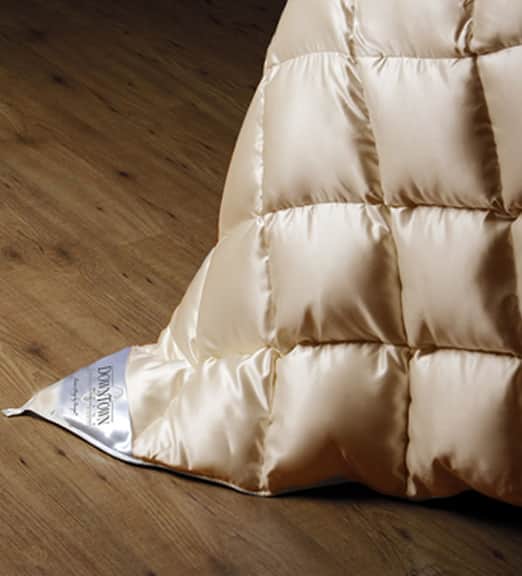
Designers often pair eiderdown with shell fabrics that honor its delicate structure. A cotton sateen or microfiber shell can cradle the loft without hindering the fibers’ natural breathability. A well-stitched construct—be it a box-baffle or a sewn-through pattern—keeps the loft evenly distributed, ensuring there are no sudden cold spots or weight imbalances as you shift beneath the covers.
Care Basics: Refreshing, Storing, and Spot-Cleaning with Grace
Care for eiderdown is a careful, repeatable ritual rather than a single heroic act. The goal is to preserve loft, prevent clumping, and extend the life of the fill without sacrificing breathability. Start with daily habits: use a duvet cover, keep the sleeping environment cool but not frigid, and avoid crushing the loft during the day. When it comes time for a deeper refresh, think in stages rather than in one grand cleansing moment.
- Air and Fluff: Periodic airing helps restore loft. If possible, place the duvet outdoors in a shaded area on a dry day, allowing a gentle breeze to pass through the fabric.
- Spot Cleaning: Treat stains with a mild detergent and cool water. Avoid aggressive scrubbing; instead, gently dab and rinse, then allow to air dry completely before returning it to a duvet cover.
- Washing: A full wash is a delicate operation. Use a front-loading or top-loading machine without an agitator and select a gentle cycle with cool water. Use a down-safe detergent, and avoid fabric softeners which can coat the fibers and reduce loft over time.
- Drying: Drying should be thorough and patient. A low heat setting with frequent breaks to fluff and redistribute the chunks of down helps prevent clumping. Tennis balls or dryer balls can aid in keeping the fill evenly distributed as it dries.
- Storage: Store your eiderdown in a breathable cotton bag rather than a plastic container. A bag allows the fibers to breathe and helps prevent mustiness or mildew from lingering moisture.
These care steps are not mere maintenance; they are rituals that honor the hand-loomed origins of eiderdown. When done with care, the loft returns with a whisper, and the warmth remains buoyant without being suffocating.
Design Considerations: Warmth Levels, Shell Fabrics, and Construction Details
The warmth a sleeper experiences is the product of several design decisions. Warmth ratings are a shorthand for the interplay between fill quality, the amount of fill, and the shell’s breathability. For climates that swing between cool nights and mild evenings, many sleepers benefit from a mid-to-high loft with excellent air exchange. For winter nights in especially cold rooms, a higher loft with a denser fill can deliver enveloping warmth without heavy weight.
The shell fabric also matters. A crisp cotton sateen shell can feel luxurious against the skin and helps to hold the loft in a way that feels soft and smooth. In some designs, innovative fabric choices like Tencel or silk blends are used to complement the down’s natural breathability and to further regulate moisture. The stitch pattern—ranging from box-baffle to sewn-through—dictates how evenly the down sits and how easily it moves within the duvet. A box-baffle construction is celebrated for its ability to keep down distributed evenly, while sewn-through designs tend to be lighter and simpler, sometimes at the expense of loft uniformity.
All of these elements—warmth level, fabric, construction—combine to shape a tactile experience: the moment you slip under the covers, you feel not just warmth but a soft, whispering cloud of air that cushions the body without suffocating it. Eiderdown, when properly integrated into a design, becomes a quiet partner in sleep rather than a loud assertion of luxury.
Three Key Figures Across Time: A Material History
To illuminate the enduring fascination with eiderdown and its kin, consider three figures whose work and thought reframed how we understand warmth, comfort, and textile craft.
An early thinker who treated practical devices with mathematical rigor, Babbage’s ethos of calculating efficiency echoes in the way modern designers quantify warmth, loft, and fill power. While not a textile designer, his systemic approach to optimization foreshadows how contemporary bedding researchers model heat transfer, moisture transport, and energy efficiency in comfort systems.
In the spirit of Babbage, contemporary researchers and designers translate tactile experience into measurable properties. Loft becomes a numerical proxy for warmth; fill power, a numeric echo of air-trapping capacity; and shell weight a measurable input to understand breathability. The lineage is not about replicating a single invention but about applying a patient, analytical gaze to a field where air and texture meet one’s skin each night.
Although not a single person, the period’s artisan ateliers personified an era when textiles were a form of stewardship—careful selection of fibers, dyes, and loom patterns. The discipline of maintaining fabric integrity, even weave, and durable construction mirrors how today’s down-filled products are designed for resilience, care, and longevity. This historical memory reminds us that comfort is as much about sustainable craft as about immediate sensation.
In a sense, the textile ateliers anticipated the modern buyer’s demand for durable, long-lasting goods. The careful balance of warmth, weight, and breathability that characterizes modern eiderdown products resonates with a tradition of responsible craftsmanship that valued both beauty and utility in equal measure.
Britain-born architectural critic Reyner Banham championed the idea that materials shape culture as much as form. In the realm of bedding, this translates into recognizing how the material identity of eiderdown—its softness, loft, and warmth—affects daily rituals of sleep, home design, and even the mood of a room. Banham’s insistence on material life invites readers to feel the texture and feel of warmth as a cultural experience, not merely a product specification.
These threads—Babbage’s formalism, the atelier’s craft, Banham’s cultural lens—converge in today’s editorial approach: write with a reverence for material properties, explain how design decisions yield tangible comfort, and present warmth as something people live with, day in and day out.
A Practical Guide to Making the Right Warmth Choice
The following guidance is offered with an eye toward a non-commercial, educational stance. It leans on material science as well as lived experience to help readers select warmth levels, consider maintenance realities, and understand how different fillings compare in everyday use.
- Assess Your Climate and Sleep Temperature: If your room is consistently cool, a higher loft and generous warmth may be appealing. If you sleep hot or live in a milder climate, a midweight option with efficient moisture transport can prevent overheating at night.
- Understand Fill Types and Loft: Eiderdown is often praised for its loft and lightness, but other fills—such as Hypodown blends, merino wool, or down-alternative fibers—offer different weight, breathability, and allergy considerations. Loft translates to warmth; weight equals perceived heaviness.
- Consider Shell Fabrics and Construction: A quilted box-baffle design tends to distribute loft evenly and avoid cold spots; sewn-through constructions may be lighter but can create more pronounced edge conditions. The shell fabric should complement loft, allowing air to move while keeping the fill evenly distributed.
- Allergy and Sensitivity: Hypodown blends and down-alternative fillings address allergy considerations without sacrificing performance. When evaluating a product, review care guidelines and washability to ensure long-term cleanliness and hypoallergenic performance.
- Care as Investment: Regular airing, appropriate laundering, and mindful storage can preserve loft for years. A well-cared-for duvet remains a reliable warmth source decade after decade, a quiet indicator of the home’s longevity.
In short, warmth is not a single feature but a constellation of choices. The right eiderdown decision blends climate realities, personal warmth preferences, and a design philosophy that respects both the material’s intrinsic beauty and the practical demands of daily life.
A Featured Product: Laurel Warm Comforter
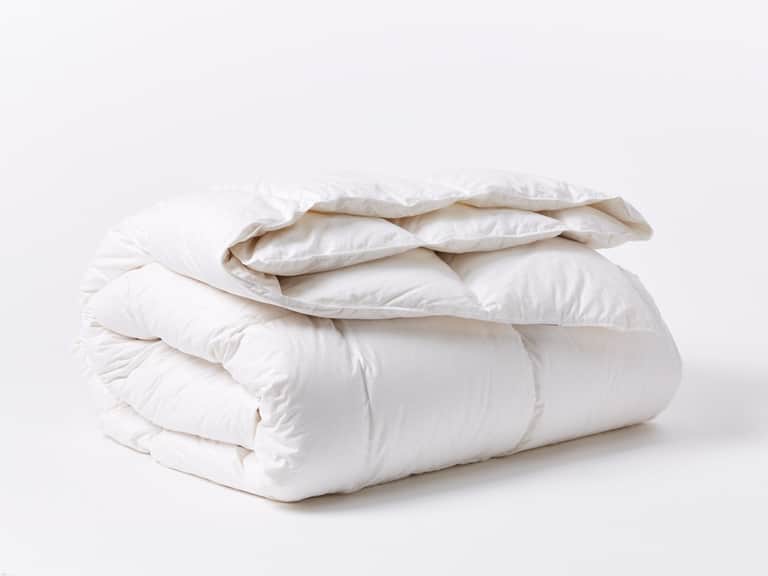
The Laurel Warm Comforter embodies the direction outlined above: a Hypodown 800-fill power core, wrapped in a 383-thread-count cotton sateen shell, and knit together with a 14" baffled box construction. This piece blends indulgence with technical precision, balancing the warmth of down with a breathable exterior. The fill is a thoughtful blend of 70% white goose down and 30% milkweed fiber, introducing moisture-wicking properties that complement warmth with an airy feel. The result is a cocooning warmth that does not overwhelm the senses, a rare union of luxury and functional design.
For readers seeking a concrete example of the principles discussed, the Laurel Warm Comforter stands as a paragon of how warmth, loft, shell composition, and care considerations come together in a single product. It is a tangible anchor for the educated consumer who wants a durable, luxurious sleep experience without compromising on breathability or cleaning practicality.
Laurel Warm Comforter
Hypodown 800 fill power • 383-thread-count cotton sateen shell • 14" baffled box • 70% goose down / 30% milkweed fiber
Note: Images are illustrative previews of the Laurel Warm Comforter. If you’d like, I can display additional product images like the main image and gallery images provided by the retailer.
Glossary and Quick Reference
To support a reader starting from first principles, here is a compact glossary of terms frequently encountered in eiderdown discussions:
- Fill Power: A measure of loft and insulating efficiency. Higher fill power means more loft per ounce and typically greater warmth for the same weight.
- Loft: The thickness or height of the fill’s puffiness. Loft correlates with warmth and comfort perception.
- Shell Fabric: The outer fabric surround that encases the fill. Quality, weave, and breathability influence overall comfort.
- Baffle Box Construction: A design with interior walls that create individual chambers to keep down evenly distributed, avoiding cold spots.
- Sewn-Through Construction: Simpler stitching that can reduce loft uniformity but may save weight and cost.
- Hypodown: A down blend that includes synthetic or other down-like fibers to achieve a balance of warmth, loft, and allergy considerations.
- Milkweed Fiber: An ecological fiber used in some luxury fills for moisture management and hypoallergenic properties.
Closing Thoughts: Sleep as a Material Art, Not a Marketing Message
In the end, eiderdown is a material theology: it asks us to attend to texture, warmth, breathability, and care as a living ecosystem within the bed. The best educational guides about down will never simply say “buy this” but will instead illuminate why warmth feels the way it does and how the architecture of a comforter—its loft, its shell, its seams—shapes our nightly rituals. The goal here is to offer a navigational map: a way to read the textures, understand the science, and choose warmth with intention.
For readers drawn to a non-commercial, educational approach, the story of eiderdown is not just a product narrative but a cultural one. It is about how humans have learned to translate the natural world’s gentleness into a form that supports our best nights and, by extension, our best days.
Resource List and Further Reading
To deepen understanding beyond this guide, consider exploring:
- Historical textile guides and textile museums with archives on down and feather fillings.
- Sleep science literature focusing on temperature regulation, humidity, and comfort in bedding materials.
- Manufacturers’ technical specifications and care instructions for eiderdown and alternative fillings.